What Intentional Representation Really Looks Like
The word "intentional" gets used a lot in this industry. It's become something of a placeholder, a way to signal care without having to define it.
So let's define it.
Intentional representation isn't just selective signing. It isn't a curated roster or a well-designed website. It's a practice. One that shows up in the decisions no one sees: the briefs turned down, the timelines pushed back, the conversations had before a contract is signed.
Here's what it actually looks like in practice.
It starts before the deal: Before VINS approaches any brand partnership, we ask: does this make sense for this person not just commercially, but reputationally, creatively, personally? Alignment isn't a nice-to-have. It's the filter everything else runs through.
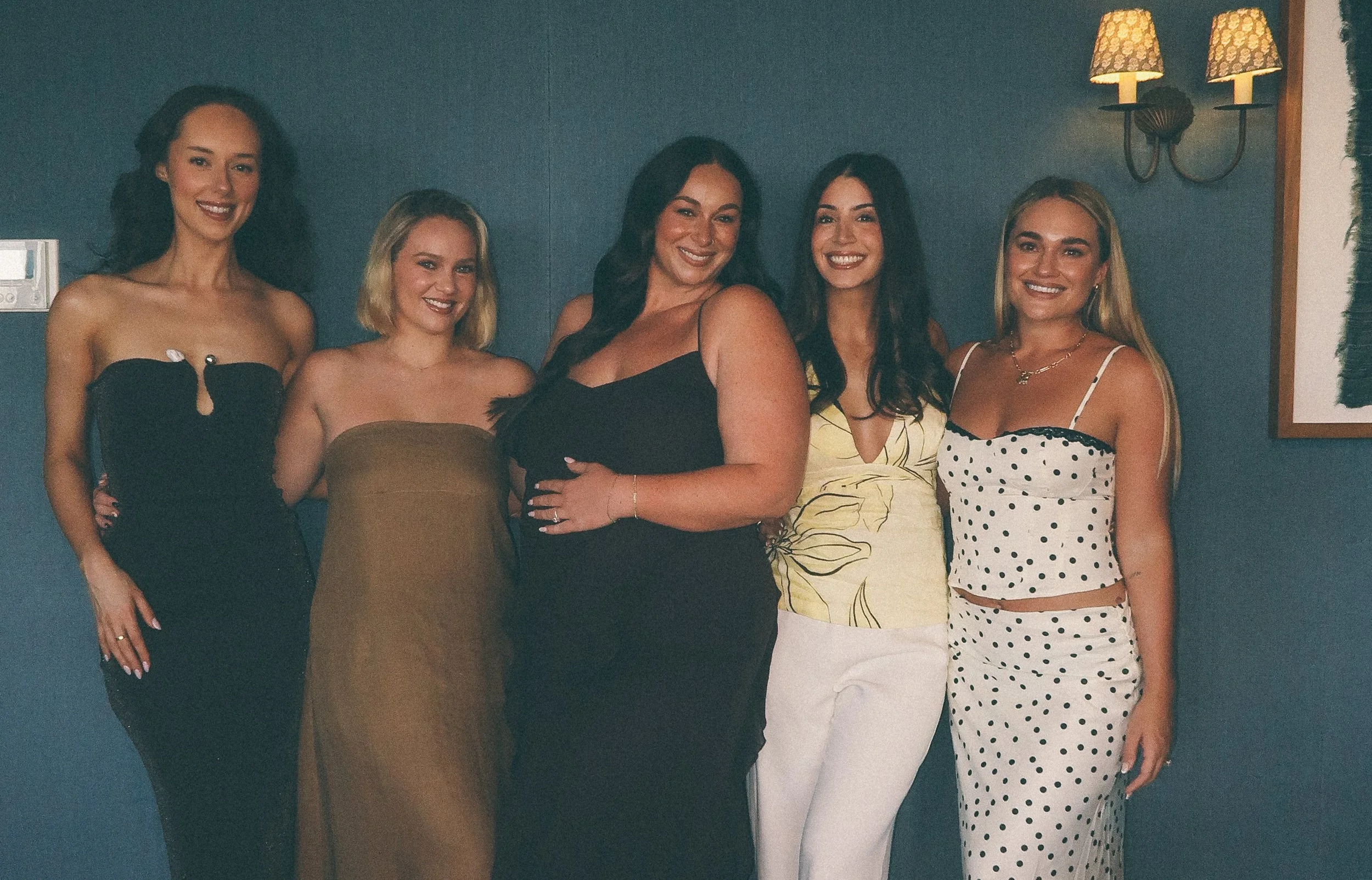
It means knowing the person, not just the profile: Metrics are easy to read. A person takes longer. Understanding what a creator values, what they're building toward, where their boundaries sit, that's the work that makes representation meaningful. You cannot advocate well for someone you don't truly know.
It includes protecting people from decisions made in urgency: Some of the most important work we do is slowing things down. An exciting offer with a tight turnaround, a partnership that sounds good on paper but doesn't quite fit. These moments require someone in the room who isn't caught up in the excitement. That's us.
It means being honest, even when it's uncomfortable: Representing someone well isn't telling them what they want to hear. It's giving them an accurate picture of the landscape, their positioning, and the trade-offs and trusting them to make an informed decision.
Intentional representation is quieter than it sounds. It doesn't always make headlines. But it builds careers that last.